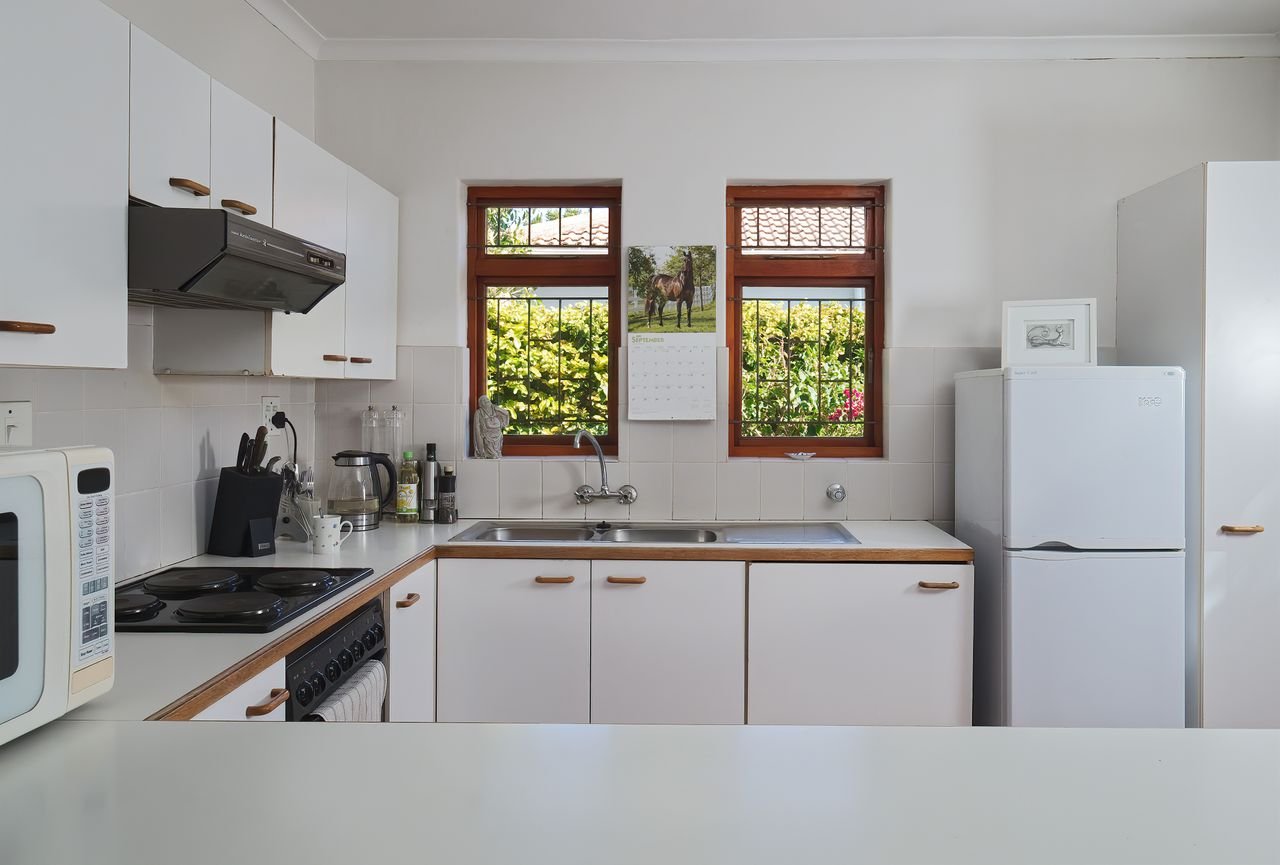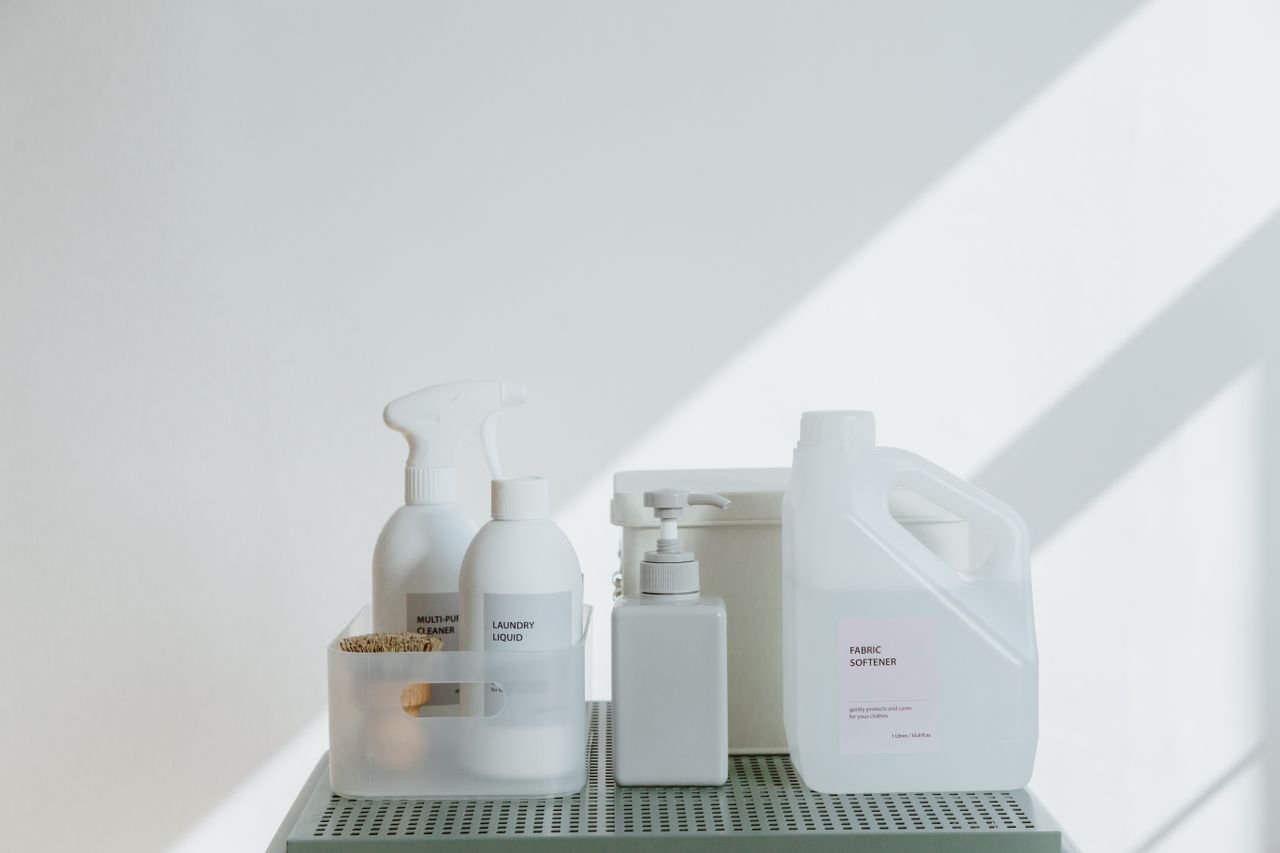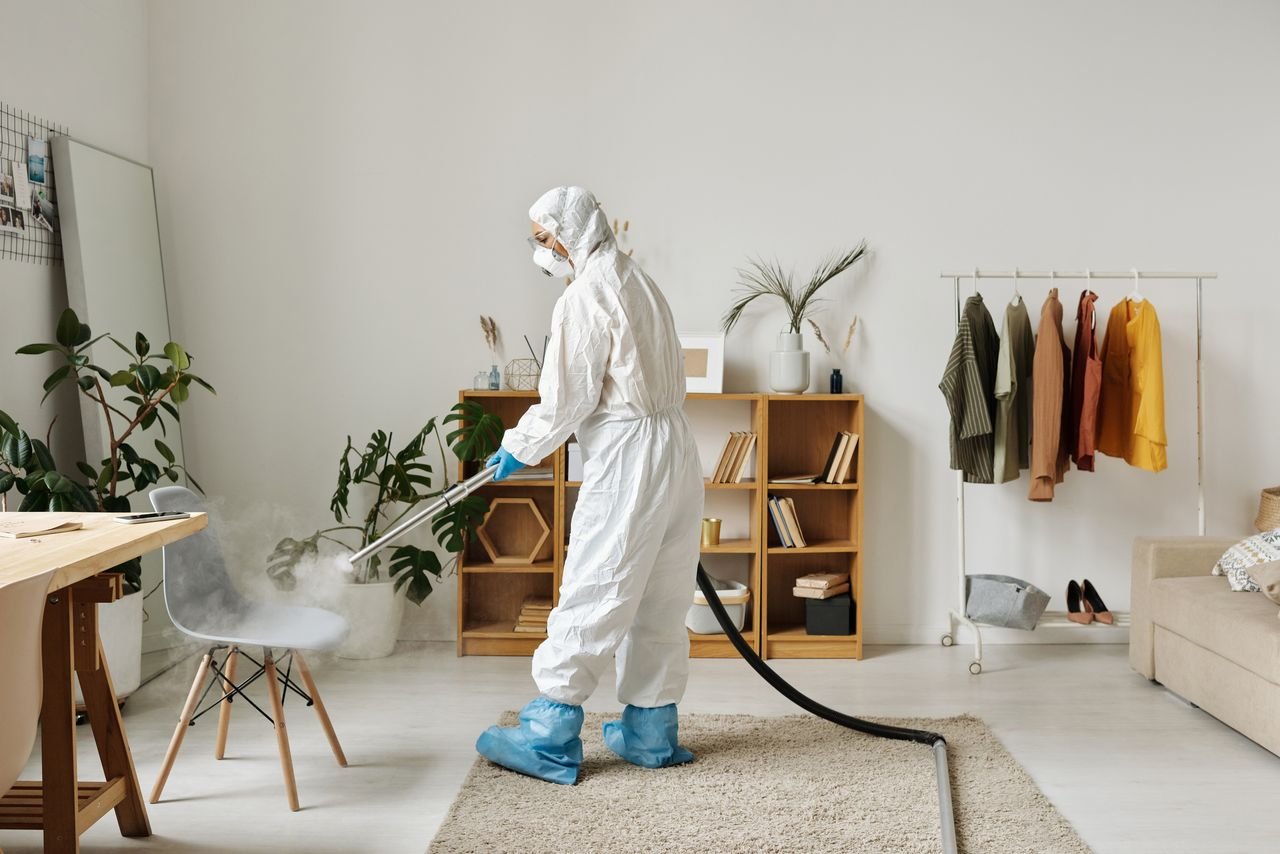
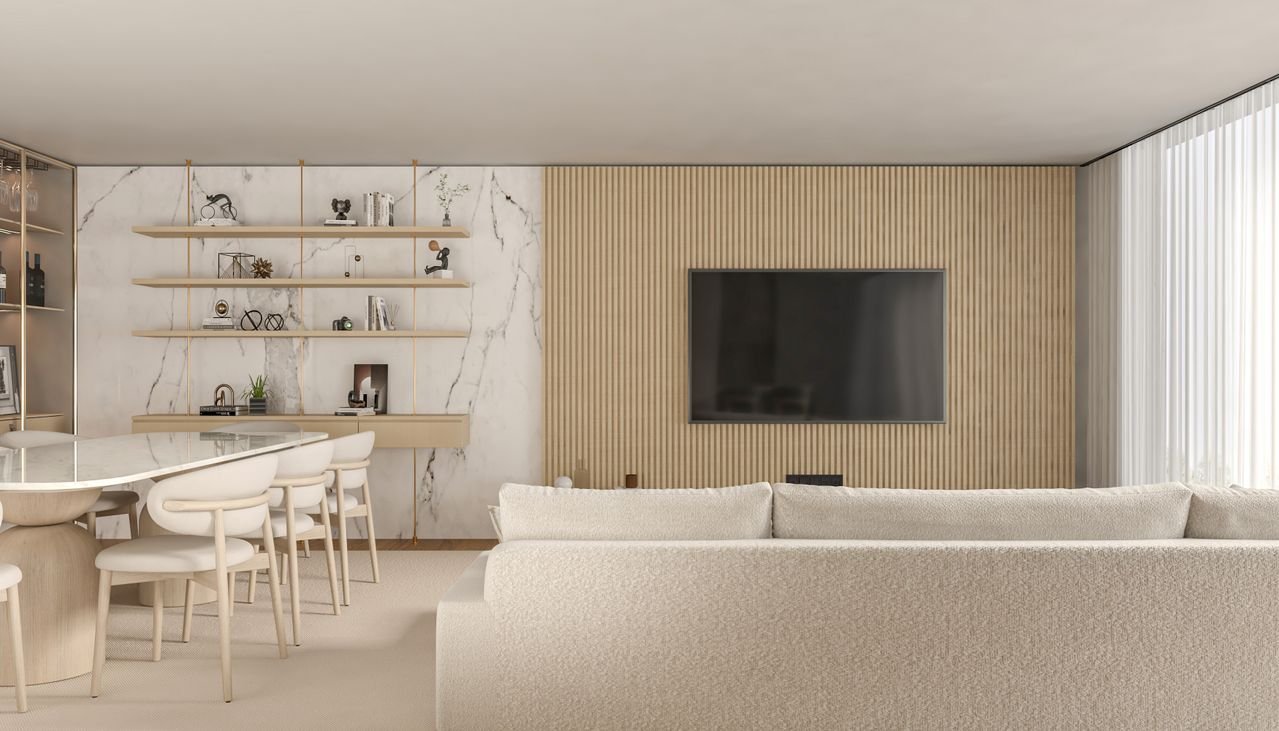
In a world filled with constant consumption, endless notifications, and overflowing closets, minimalist living offers a refreshing alternative: living with intention. Minimalism is not about owning nothing or creating a cold, empty home. It is about keeping what adds value, removing what creates stress, and building a lifestyle that feels lighter, calmer, and more manageable.
Decluttering is often the first step toward minimalist living, but doing it once is not enough. The real goal is to declutter for good — to create habits, systems, and boundaries that prevent clutter from taking over again.
What Is Minimalist Living?
Minimalist living is the practice of simplifying your environment, routines, and possessions so they align with your real needs and priorities. It helps you focus less on maintaining things and more on enjoying your time, space, and peace of mind.
A minimalist home does not have to look perfect. It simply needs to work for you. Every item should have a purpose, a place, or a clear reason for staying.
Why Decluttering Matters
Clutter affects more than your physical space. It can influence your mood, productivity, and daily stress levels. When your home is full of items you do not use, need, or enjoy, simple tasks can feel heavier than they should.
Decluttering helps you:
Create a cleaner and more organized home.
Save time by reducing what you need to manage.
Make cleaning easier and faster.
Reduce stress caused by visual mess.
Spend money more intentionally.
Appreciate what you already own.
Step 1: Start Small
One of the biggest mistakes people make is trying to declutter the entire house in one day. This often leads to frustration and unfinished piles.
Start with one drawer, one shelf, one cabinet, or one category. Small wins build momentum.
Good places to begin include:
Bathroom products.
Kitchen utensils.
Clothes you no longer wear.
Expired pantry items.
Old papers and receipts.
Duplicate cleaning supplies.
The goal is not speed. The goal is progress.
Step 2: Use Simple Decision Questions
When deciding whether to keep something, ask:
Do I use this?
If you have not used it in a long time, it may no longer serve you.
Do I need this?
Some items are practical even if they are not used daily.
Do I truly like this?
Your home should not be full of things you keep out of guilt.
Would I buy this again today?
This question helps separate useful items from things you are keeping only because you already own them.
Does this item have a clear place?
If something has no home, it is more likely to become clutter again.
Step 3: Declutter by Category
Decluttering by category can be more effective than decluttering by room. For example, instead of cleaning one bedroom closet, gather all your clothes from different areas of the home and review them together.
This helps you see how much you actually own.
Common categories include:
Clothing.
Shoes.
Books.
Papers.
Kitchen items.
Cleaning products.
Decor.
Electronics.
Toys.
Sentimental items.
Start with easier categories before moving to emotionally difficult ones, such as photos, gifts, and keepsakes.
Step 4: Create a “Maybe” Box
Not every decision has to be immediate. If you are unsure about certain items, place them in a “maybe” box.
Seal the box and write a date on it. If you do not need or miss those items within 30 to 90 days, you probably do not need to keep them.
This method reduces decision fatigue and makes letting go easier.
Step 5: Give Every Item a Home
Decluttering only works long-term if every item has a specific place. When things do not have a home, they end up on counters, chairs, tables, and floors.
After decluttering, organize what remains in a way that is simple to maintain.
Use clear categories, practical storage, and easy access. The best organizing system is not the most beautiful one — it is the one you can actually keep using.
Step 6: Stop Clutter Before It Enters
Decluttering for good requires controlling what comes into your home.
Before buying something new, ask:
Do I really need this?
Where will I store it?
Do I already own something similar?
Am I buying this because I need it or because it is on sale?
Will this improve my life or just add more maintenance?
Minimalist living is not only about removing things. It is about becoming more intentional with what you allow in.
Step 7: Follow the One-In, One-Out Rule
A simple way to prevent clutter from returning is the one-in, one-out rule. When you bring a new item into your home, remove one similar item.
For example:
Buy one new shirt, donate one old shirt.
Buy one new mug, remove one mug.
Buy one new cleaning product, finish or discard one old product.
This keeps your belongings from growing without control.
Step 8: Build Daily Reset Habits
A minimalist home still needs maintenance. The difference is that maintenance becomes easier because there is less to manage.
Try simple daily habits such as:
Clear kitchen counters every night.
Put items back after using them.
Handle mail immediately.
Do a 10-minute evening reset.
Keep donation bags available.
Clean one small area at a time.
Consistency matters more than perfection.
Step 9: Be Realistic About Sentimental Items
Sentimental clutter can be difficult. You do not have to get rid of everything meaningful. Minimalism is not about removing memories; it is about choosing which physical items truly represent them.
Keep the pieces that matter most. Display them, store them properly, or photograph items you want to remember but do not need to keep physically.
The goal is to honor your memories without letting them overwhelm your space.
Step 10: Focus on the Life You Want
Decluttering is not just about having a clean home. It is about creating room for the life you actually want to live.
A minimalist lifestyle can give you more:
Time.
Space.
Clarity.
Freedom.
Peace.
Control over your environment.
When your home supports your priorities, daily life becomes simpler and more intentional.
Final Thoughts
Minimalist living is not a one-time project. It is an ongoing practice of choosing what matters and letting go of what does not.
To declutter for good, start small, make thoughtful decisions, create systems that are easy to maintain, and become more selective about what enters your home.
A simpler home does not happen overnight, but every item you remove creates more space — not only in your rooms, but also in your mind.